Industry Trends
Warehouse Automation Trends in 2026
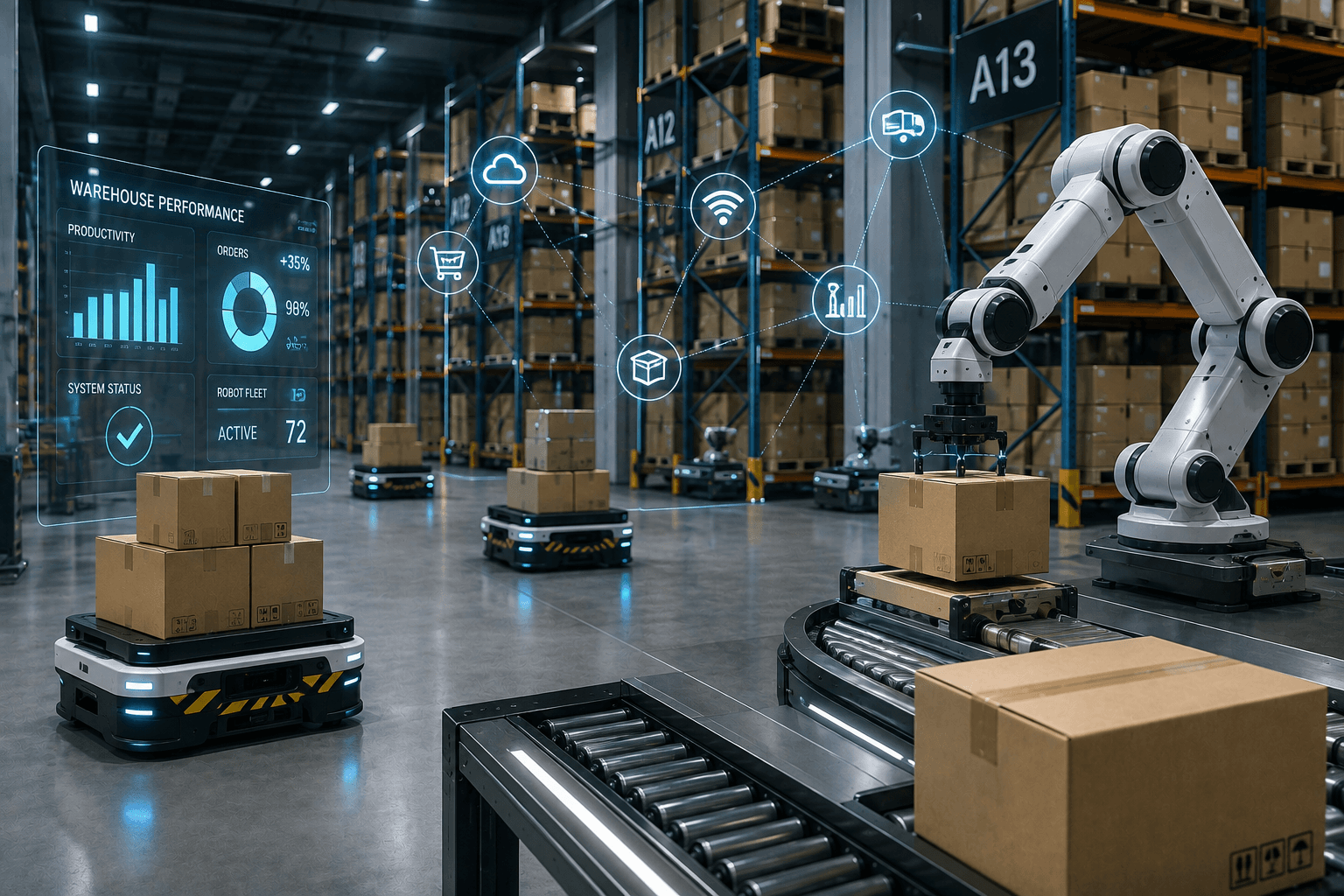
Warehouse automation continues to evolve rapidly. In 2026, the focus is shifting from single-task machines to connected systems that improve decision-making, documentation, and customer trust. Indian fulfillment centers are adopting these technologies to keep pace with marketplace demands and rising customer expectations.
Order-Linked Visual Evidence
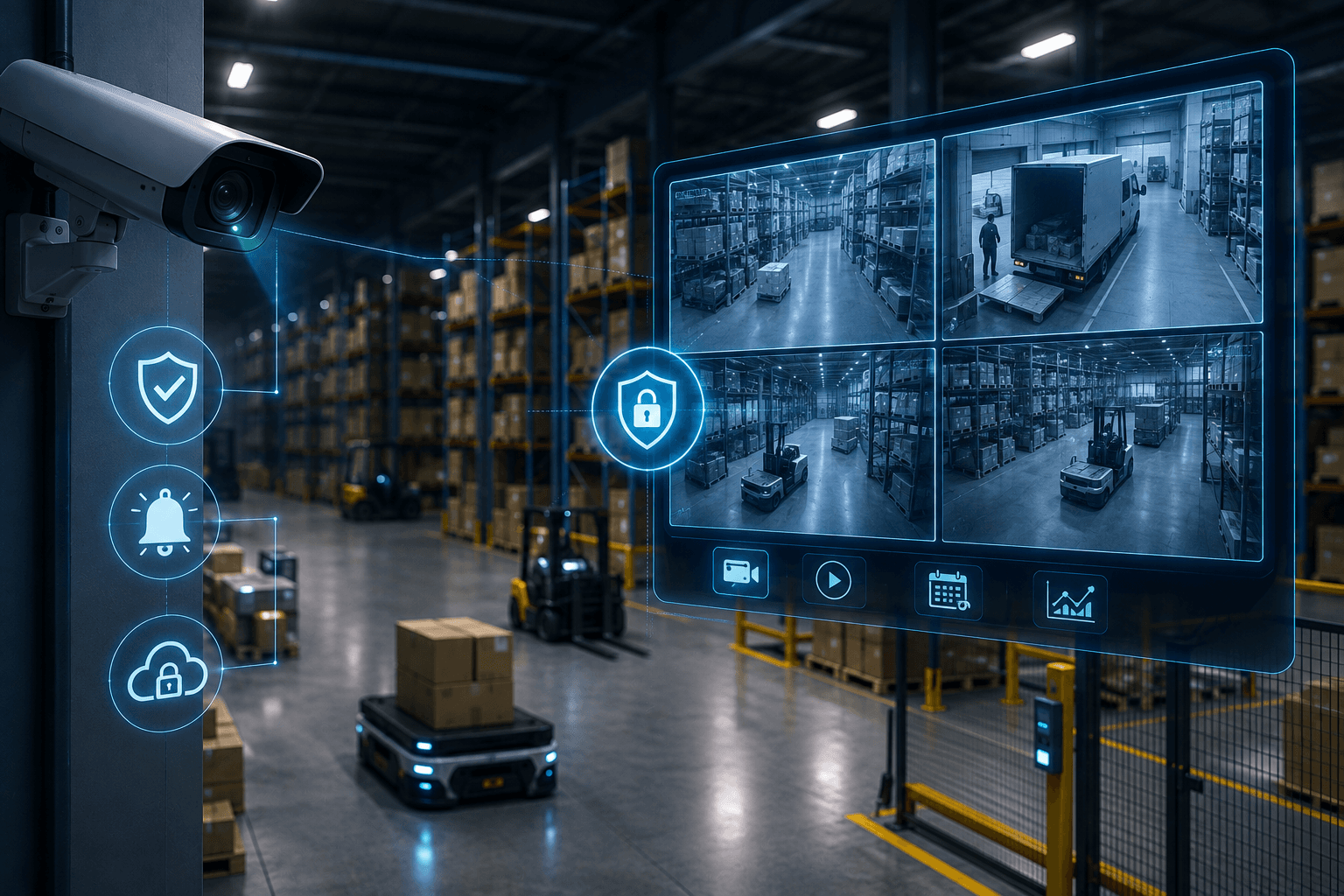
Marketplace claim systems have become more demanding. Sellers and 3PLs are investing in systems that link images and video directly to order IDs. This evidence is now a standard expectation for high-volume merchants.
VMS and packing automation are converging to provide visual proof that is searchable by order, not by timestamp.
AI-Assisted Quality Checks
Artificial intelligence is being used to detect damaged goods, verify packaging, and identify wrong items before dispatch. These systems work alongside human operators to improve consistency.
While full AI packing is still emerging, targeted quality checks are already delivering measurable improvements in dispatch accuracy.
Modular Automation
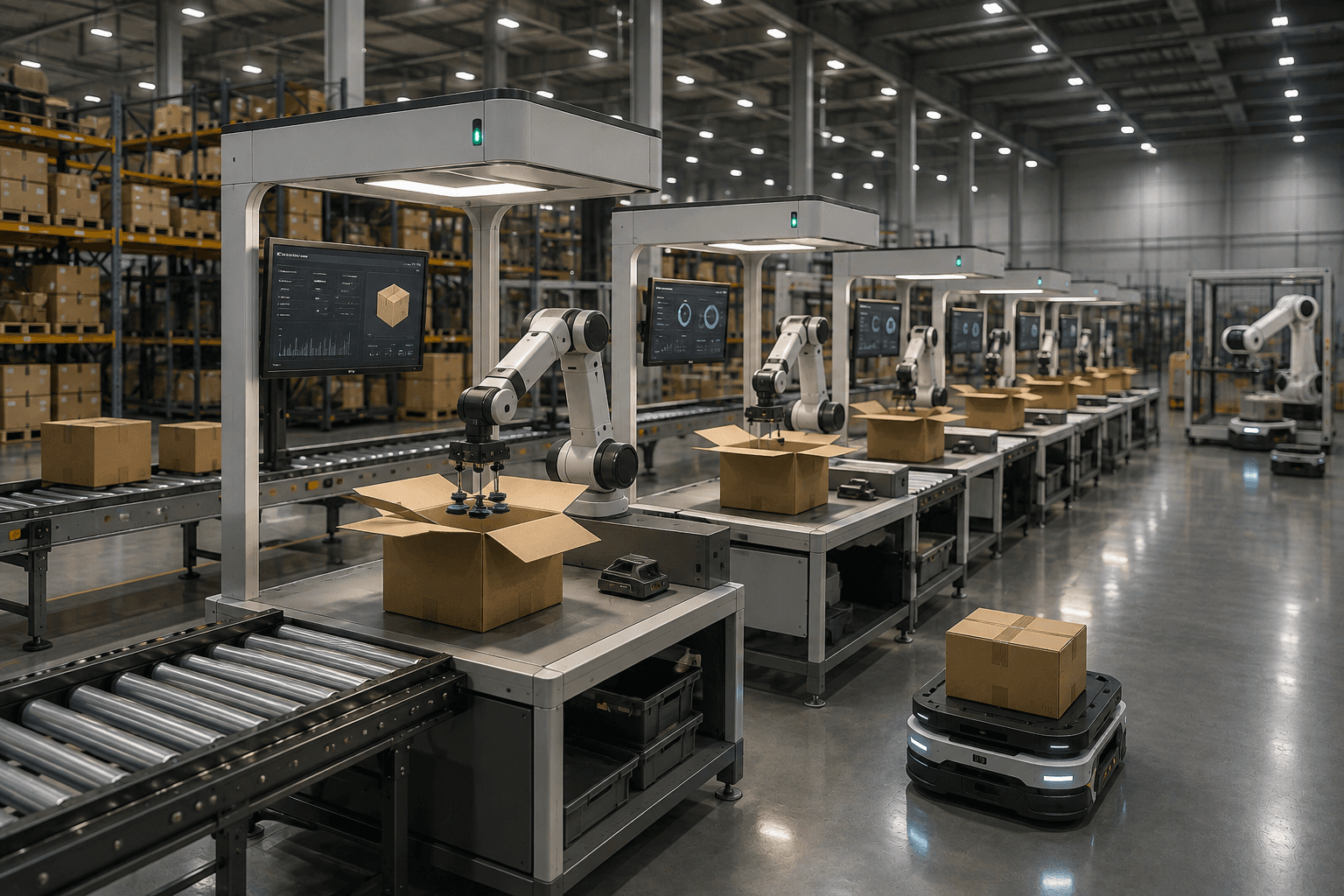
Instead of large fixed installations, warehouses are adopting modular packing and verification stations that can be added to existing layouts. This reduces capital cost and deployment time.
Modular automation is especially valuable for D2C brands and 3PLs that need to scale up quickly during sales seasons.
Compliance as a Competitive Advantage
In 2026, compliance is no longer just a cost of doing business. Sellers with documented, compliant packing processes can resolve disputes faster, protect ratings, and reduce refund losses.
Technology that makes compliance automatic is becoming a key differentiator for fulfillment providers and large e-commerce sellers.