Warehouse Automation
Building a Smarter Warehouse with Automated Packing Stations
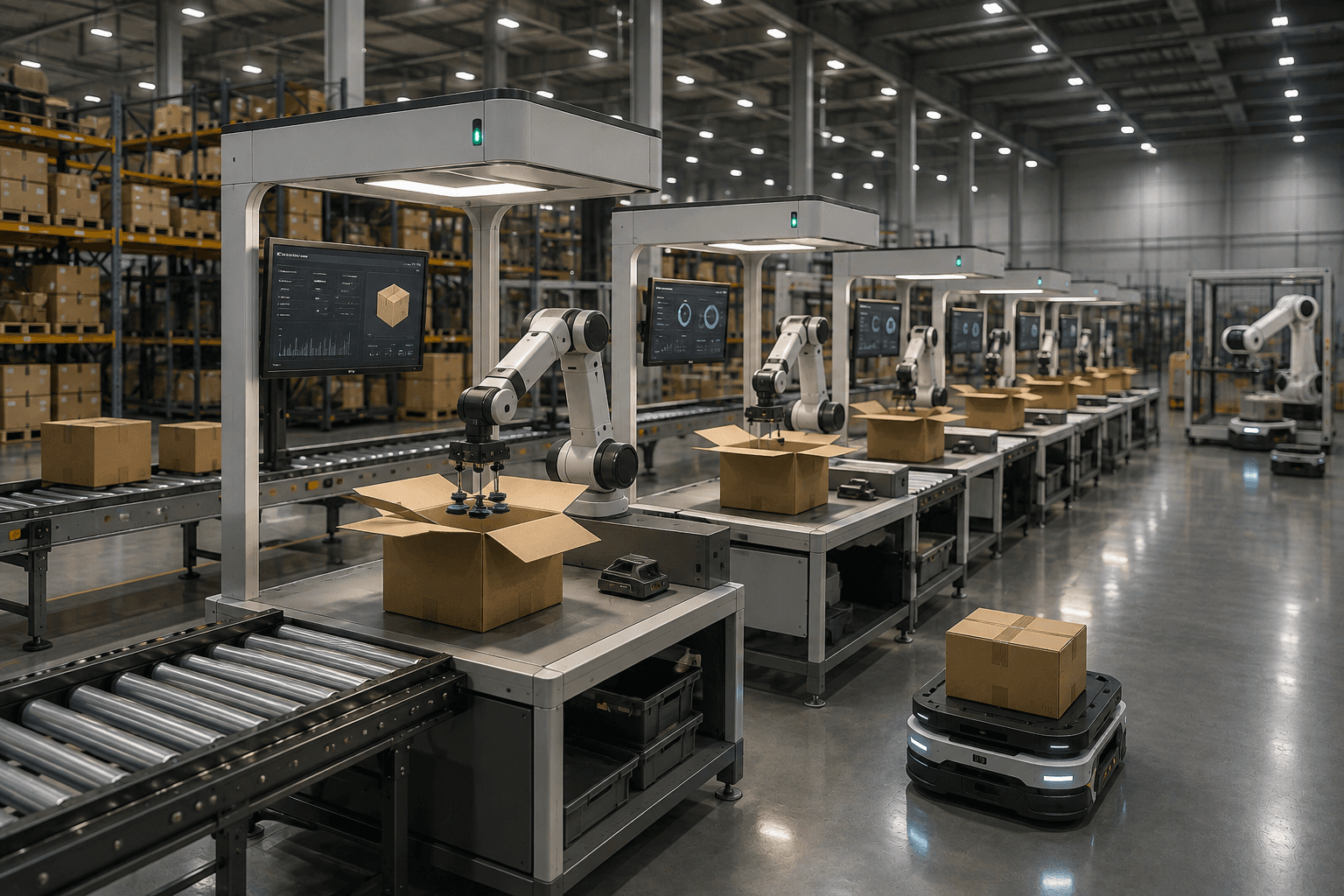
A smarter warehouse does not replace people. It gives them the tools, data, and processes to perform at their best. Automated packing stations are one of the most effective places to start because they touch every order and directly impact customer experience.
The Core Components
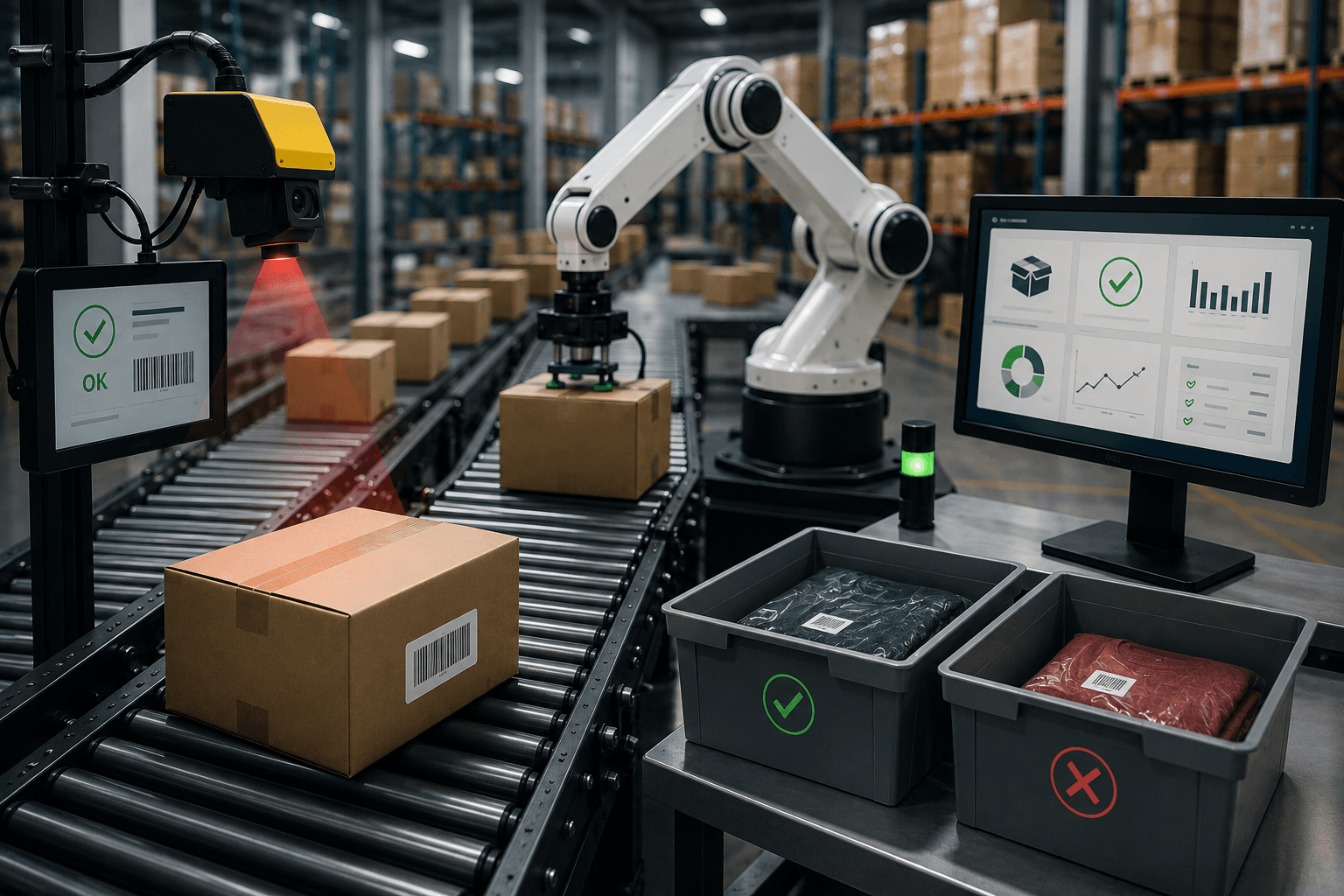
An automated packing station combines a workstation, a scanner, a scale, a dimensioning tool, a camera, and software that ties them together. Each component adds a layer of verification and documentation to the packing process.
The result is a station that guides the operator, validates the pack, and records the evidence. This reduces errors and creates a complete dispatch record.
Operator Experience
Good automation supports the operator rather than replacing them. Clear prompts, real-time feedback, and simple physical design reduce training time and fatigue.
When operators trust the system, they work faster and more consistently. The station becomes a partner in accuracy, not an obstacle to throughput.
Data and Visibility
Every pack event generates data. Warehouse managers can monitor throughput, error rates, and station utilization in real time. This visibility enables faster decision-making and better resource allocation.
Historical data also supports capacity planning, peak preparation, and continuous process improvement.
Building for Scale
Automated packing stations can be deployed in phases. Start with one station, prove the value, and add more as order volume grows. This modular approach reduces risk and capital expenditure.
Kedara's packing stations are designed for this kind of scalable deployment, helping Indian warehouses modernize without disrupting their existing operations.