VMS
Why Every Warehouse Needs a Video Monitoring System (VMS)
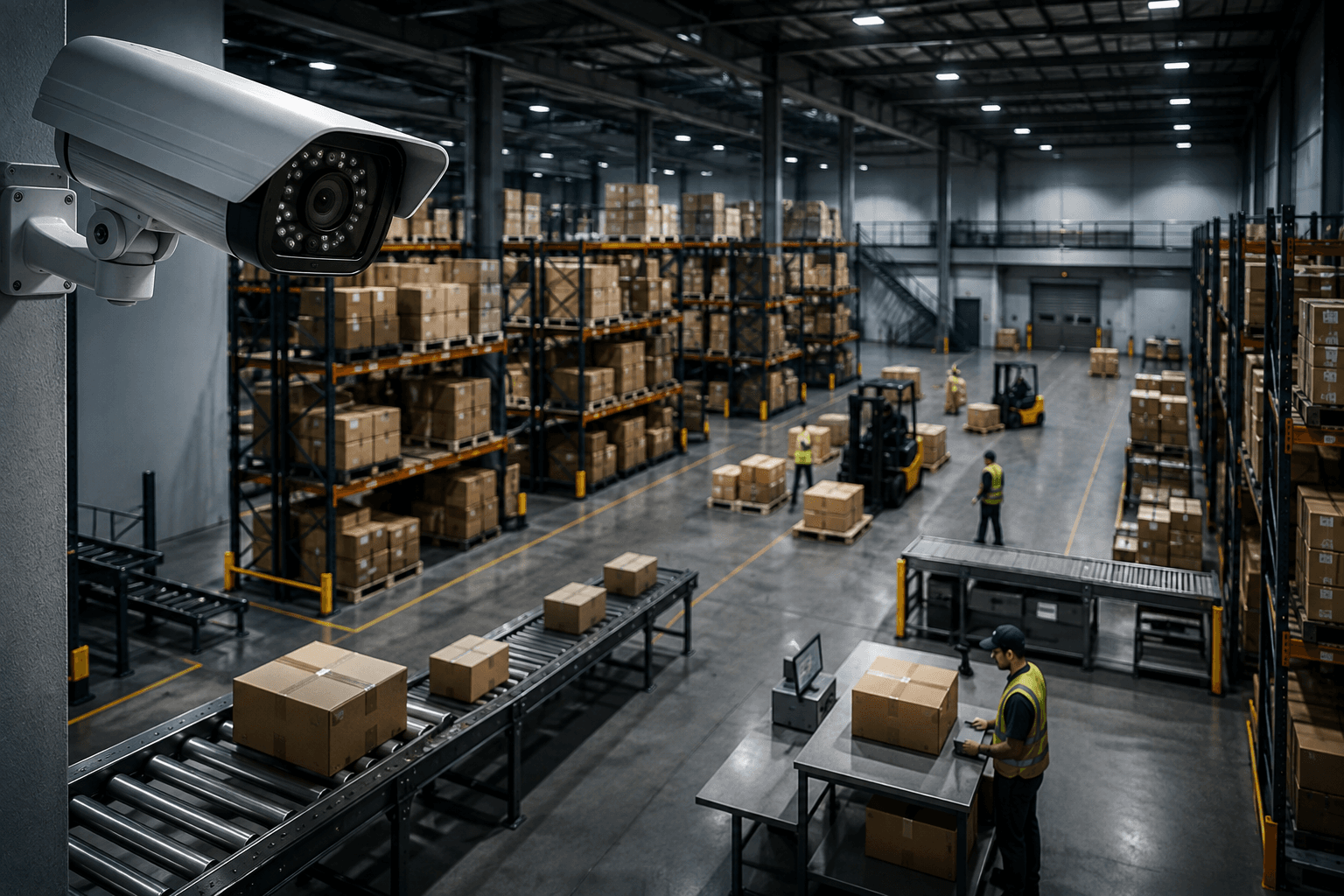
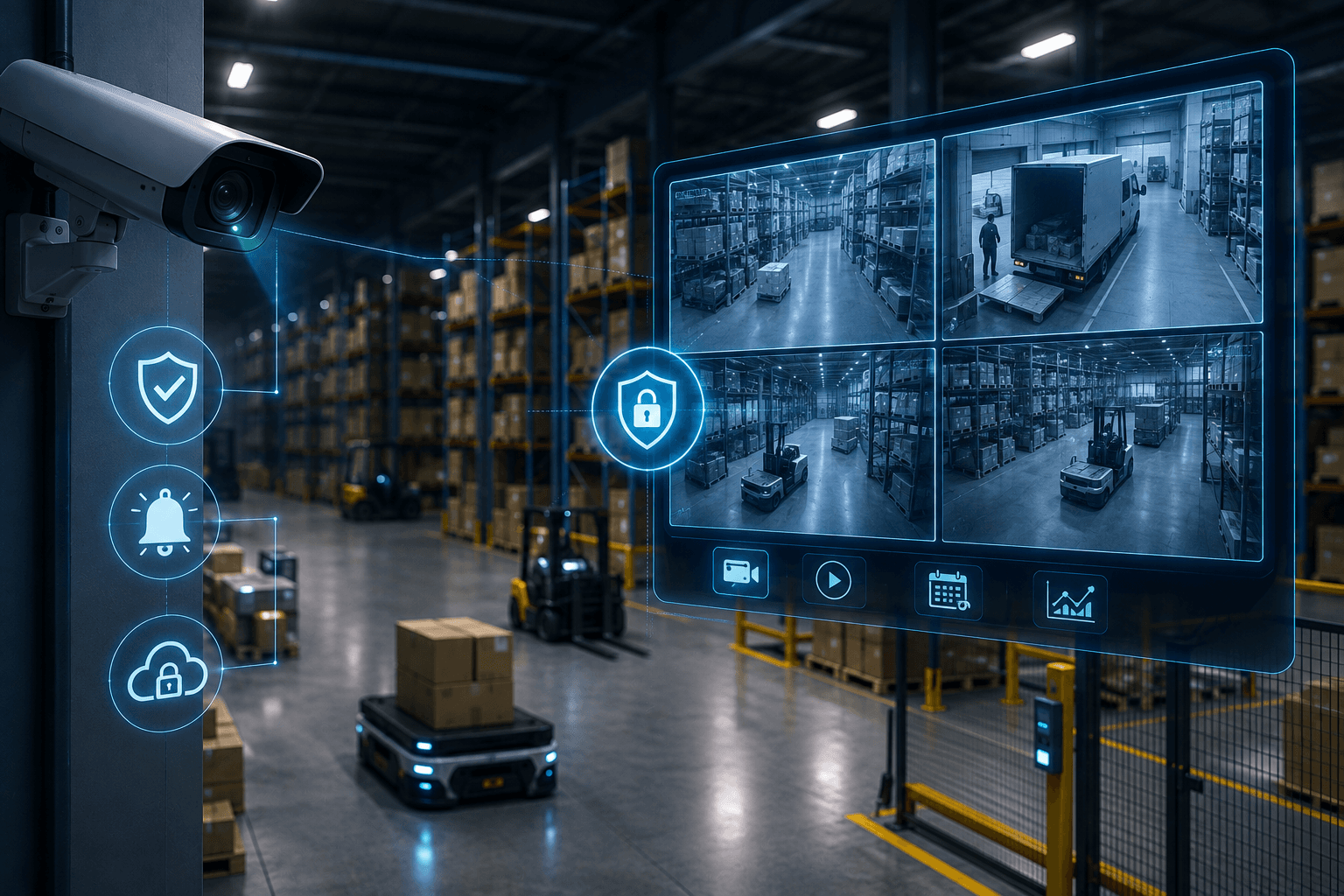
Video monitoring has traditionally been associated with security, but modern warehouse operations are using it as an active operational tool. A Video Management System (VMS) connects cameras to packing workflows, enabling teams to retrieve visual evidence tied to specific orders, events, or time windows.
From Security to Operations
Standalone CCTV systems record footage, but they rarely provide fast access to the exact clip a warehouse manager needs. A VMS designed for warehouse use links video to order IDs, scan events, and packing station activity.
When a customer dispute arises, the operations team can pull the dispatch footage for that specific order within seconds. This replaces hours of manual video searching and improves response time to marketplace claim requests.
Quality Control and Accountability
Video monitoring encourages consistent packing behavior. When staff know the packing process is recorded, error rates often decline without additional supervision.
Managers can also review footage to identify training needs, verify process compliance, and understand the root causes of repeated errors. This data-driven approach leads to measurable improvements in dispatch quality.
Integration with Packing Automation
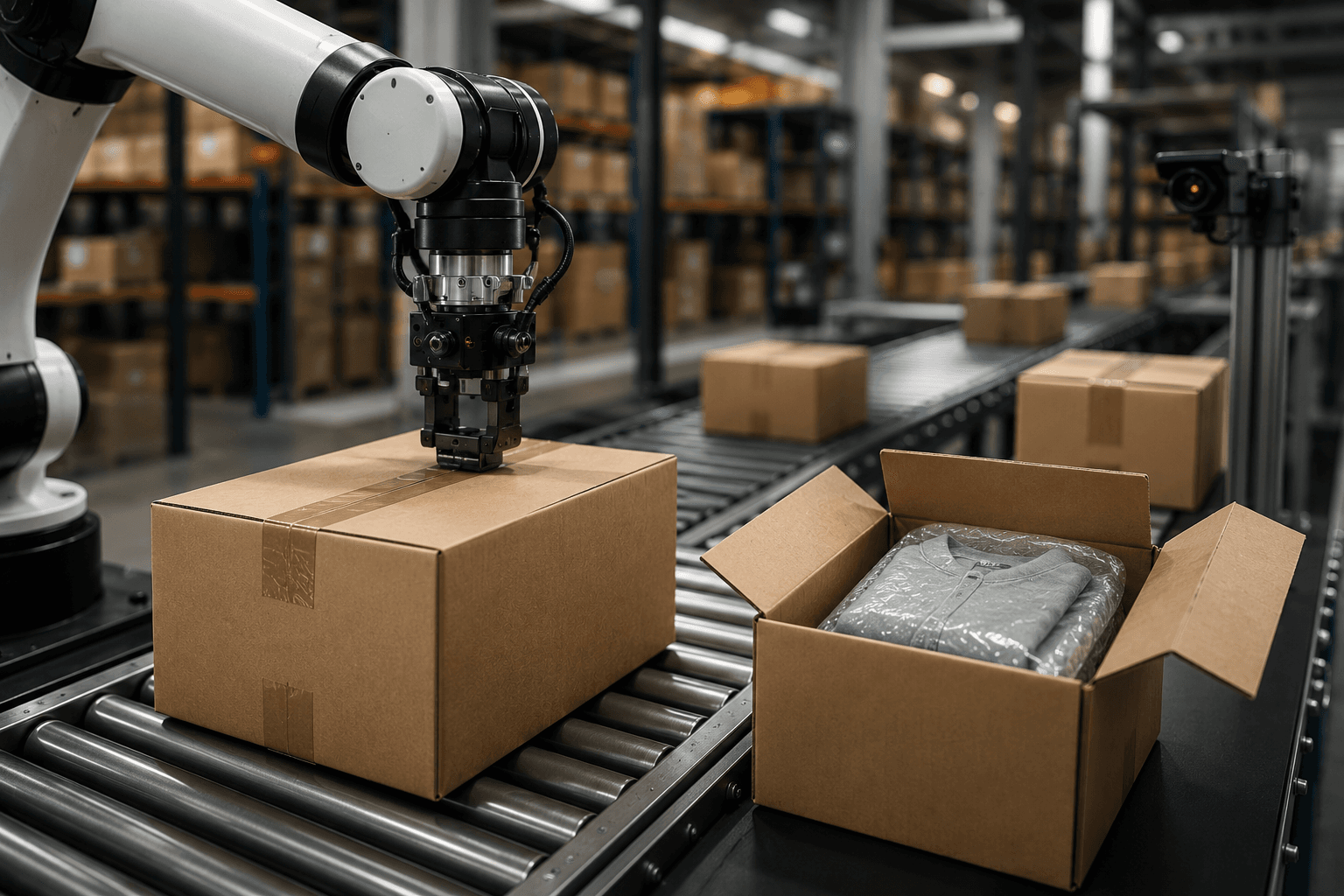
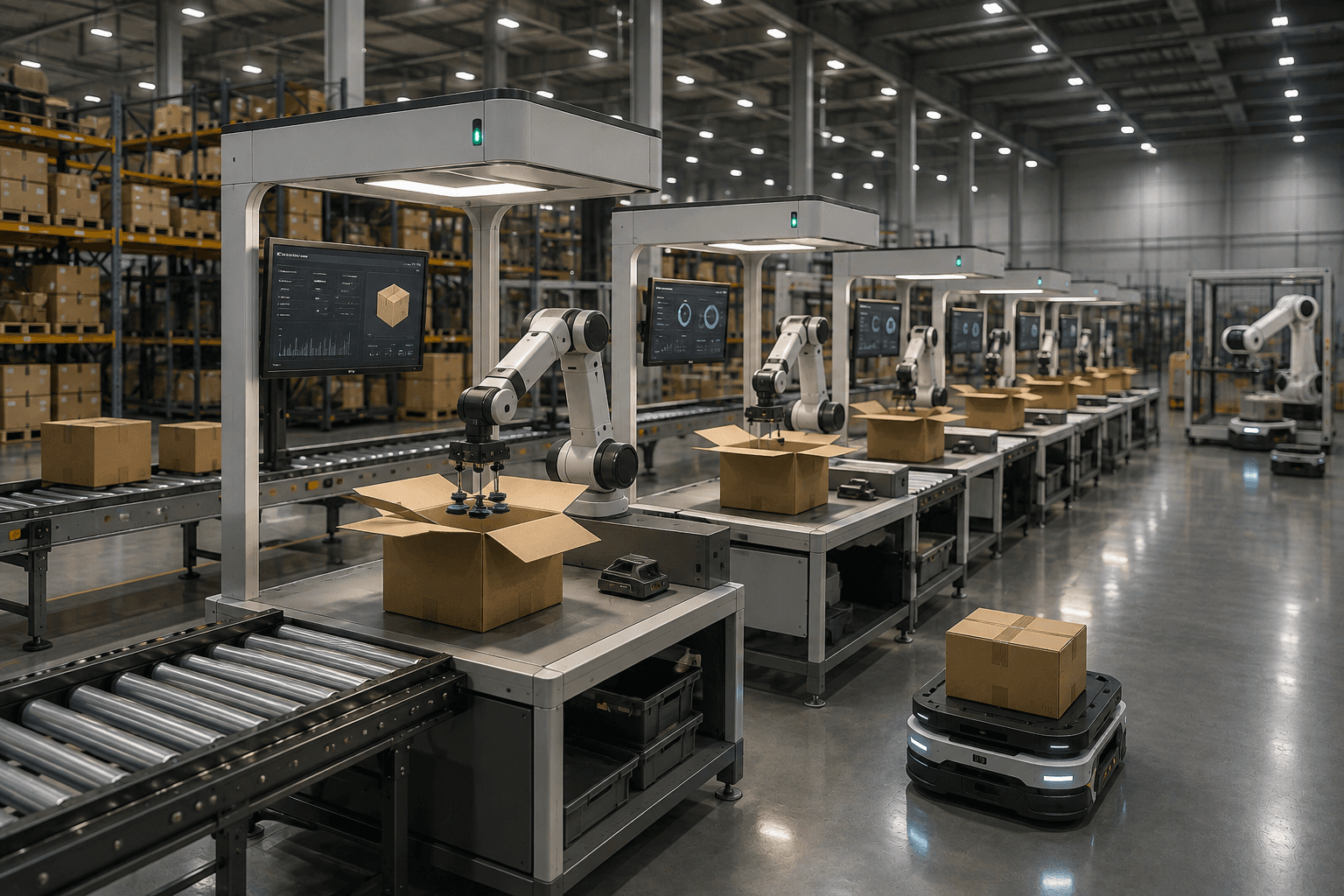
The greatest value of a VMS comes when it is integrated with automated packing. Each package is recorded at the point of sealing, creating a visual record that complements barcode scans and weight data.
Kedara's VMS approach focuses on order-linked retrieval, ensuring that the evidence captured is easy to find, accurate, and ready to support marketplace claims or internal audits.
Scalability for Growing Facilities
As warehouses add packing stations, camera coverage, and shifts, a centralized VMS becomes essential. It provides a single interface for managing footage, permissions, and storage across multiple locations.
For 3PLs and fulfillment centers managing multiple brands, a VMS offers the transparency and traceability that enterprise clients increasingly expect.